The Growing Curiosity Around Hugo Bachega Nationality Sparks Massive Online Debate

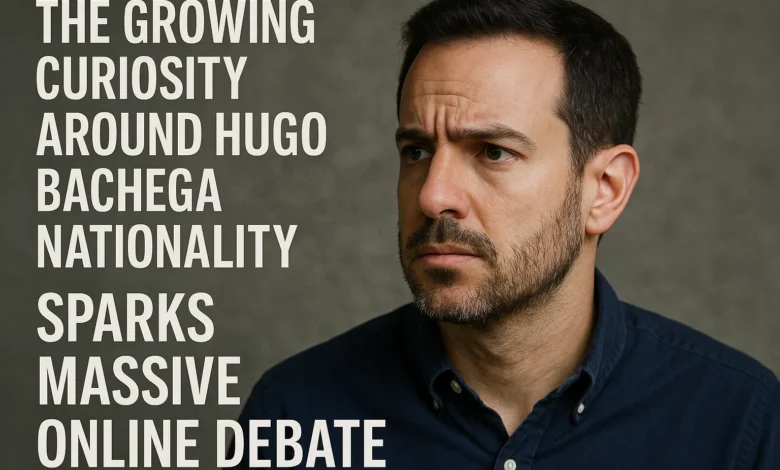
The sudden surge of interest around hugo bachega nationality has become one of the most unexpected trending conversations in U.S. media circles this week. What began as a simple viewer curiosity during a breaking-news segment has quickly turned into a nationwide discussion touching on identity, global journalism, and the way international correspondents shape the stories Americans consume. The emotional pull behind this trend is clear: audiences want to feel connected to the people reporting the world’s most complicated events, and that connection often begins with understanding who they are and where they come from. This curiosity-driven wave has made the topic a top search across news platforms and social feeds, especially as global issues dominate headlines.
As conversations intensified, many viewers noted how rarely foreign correspondents share personal details on-air. This has pushed fans, critics, and media analysts alike to explore hugo bachega nationality with renewed urgency, searching for clues across past interviews, newsroom profiles, and international reporting archives. With geopolitical tensions rising and global storytelling more important than ever, the question has become more than biographical trivia—it reflects how Americans relate to the journalists who travel into conflict zones, communicate from dangerous regions, and help the public make sense of events shaping the modern world.


Why Hugo Bachega Has Become a Trending Figure in U.S. News
The rise of hugo bachega nationality searches is closely linked to the growing influence of international correspondents in American media. As broadcast news competes with social platforms and digital outlets, reporters who bring firsthand accounts from war zones and political hotspots gain rapid visibility. Viewers increasingly want to know the backgrounds of journalists shaping these narratives, and in the case of Hugo Bachega, his calm presence during high-pressure moments has drawn significant attention. This emotional connection often fuels curiosity, reinforcing why his personal origins have suddenly become a major talking point.
Industry analysts note that journalists who report from front lines often become public figures overnight. His reporting for outlets like BBC News during global crises has positioned him as a recognizable and trusted communicator in American households. As a result, even small on-air moments can trigger large-scale interest. The trend demonstrates how modern audiences increasingly blend biographical curiosity with news consumption, especially when reporters display authenticity and composure in the face of breaking events.
Understanding the Background Behind the Search Surge
Much of the conversation surrounding hugo bachega nationality stems from the rise of identity-focused storytelling in journalism. Viewers want transparency—not only in the reporting itself but also in the people behind the reporting. As newsrooms emphasize global diversity, audiences are more attuned to the personal histories of correspondents who explain rapidly evolving international developments. This trend has led to newfound interest in reporters’ cultural backgrounds, languages, upbringing, and global experience.
Social media has played a significant role in amplifying these discussions. Posts on platforms such as those operated by Meta and short-form videos across U.S. news feeds have highlighted clips of Bachega reporting under intense circumstances. These moments—often shared millions of times—reinforce curiosity and prompt viewers to search for more details. The trend is emblematic of how digital virality now shapes public curiosity about journalists in real time.
What Public Records and Global Media Profiles Reveal
Although journalists typically share limited personal information publicly, long-standing media directories and global broadcast profiles help piece together elements connected to hugo bachega nationality. These public resources often emphasize a correspondent’s multilingual abilities, international assignments, and global experience—not for entertainment, but to establish credibility in complex geopolitical regions. Bachega’s career path reflects this, as his work often spans continents, conflict zones, and politically sensitive locations requiring deep cultural understanding.
Media experts note that correspondents with multinational backgrounds frequently bring a nuanced worldview that enriches their reporting. This layered perspectives explains why audiences place such importance on understanding a journalist’s roots. When someone communicates news that shapes public opinion, their personal history becomes part of how audiences interpret their professionalism, experience, and global awareness.
Why American Audiences Are So Focused on Journalist Nationality
The American media landscape has historically been dominated by U.S.-born reporters. However, global news consumption patterns have shifted dramatically in the past decade. As international crises—from political movements to humanitarian emergencies—take center stage, correspondents with diverse origins often provide deeper context. This has led to a broader appreciation for multicultural journalism and, consequently, more discussions about a correspondent’s birthplace and upbringing.
The curiosity surrounding hugo bachega nationality reflects this cultural shift. Many viewers see it as a natural part of understanding how a journalist interprets world events. A reporter’s nationality can influence language fluency, regional expertise, and on-the-ground access, all of which shape coverage audiences depend on. As a result, knowing a journalist’s background becomes intertwined with how viewers evaluate and connect with their storytelling.
How Nationality Adds Value to International Reporting
In global journalism, a reporter’s origin can sometimes grant valuable insight into international communities, cross-border issues, and complex political relationships. Consumers of world news increasingly understand the benefits of multicultural perspectives. Reporters with diverse backgrounds often bring linguistic fluency and cultural familiarity that enrich their coverage and foster trust with local sources.
As the debate over hugo bachega nationality grows, experts highlight how nationality itself is not about defining a journalist’s identity—it’s about understanding the lens through which they interpret global events. For audiences, realizing that a correspondent may have international roots only strengthens the credibility of their coverage, especially when reporting from regions where cultural nuance matters. This is why so many viewers find themselves invested in the origins of reporters they watch every day.
What Major News Networks Say About Reporter Identity
Major networks, including global broadcasters like Reuters, emphasize that diversity in their correspondent teams is a strategic priority. They argue that multilingual, globally aware reporters are essential to covering the world’s most complicated issues. This viewpoint has influenced how audiences evaluate journalist backgrounds. As networks highlight international perspectives, viewers naturally grow curious about who is narrating the events shaping global politics and humanitarian stories.
This broader shift explains why the conversation about hugo bachega nationality has intensified. It is part of a bigger transformation within U.S. media, where audiences increasingly value authenticity, contextual depth, and lived experience among journalists. The idea is not to classify reporters, but rather to understand how their worldview contributes to the news Americans rely on.
The Future of Public Curiosity About Journalist Origins
Experts predict that public interest in journalist identity will continue to grow as global events dominate the news cycle. With Americans consuming more international coverage than ever before, correspondents who work across borders become central to public understanding. This trend suggests that debates surrounding hugo bachega nationality are unlikely to disappear; instead, similar conversations may arise around dozens of other global reporters.
As the news environment becomes more transparent, viewers may expect greater insight into personal backgrounds, linguistic abilities, and cultural expertise of journalists they follow. Far from being intrusive curiosity, this trend underscores a desire for trust, relatability, and connection to the people delivering critical updates during uncertain times.
Why This Story Matters for American News Consumers
The fascination with hugo bachega nationality says more about American news culture than it does about any individual reporter. It highlights a growing awareness that journalism is global, complex, and influenced by countless personal and cultural factors. Understanding a journalist’s background helps audiences appreciate the depth of their reporting, the risks they take, and the global lens through which they interpret unfolding events.
It also reflects a new kind of media literacy—one where viewers think not only about the facts being delivered but also about the person delivering them. As more Americans question the origins, values, and perspectives of those shaping world narratives, this trend signals a shift toward a more informed and engaged news audience.